Plumbing for Mesa Houses, Condos and Townhomes
Most plumbing trouble in a house starts small: a faucet that drips, a toilet that runs between flushes, a drain that takes a little longer every week. Sirrine Plumbing works on the plumbing in Mesa houses, condos and townhomes, from a single faucet to the water heater and the lines inside the walls and under the floor.
Two things about Mesa shape a lot of that work. The water is hard, and its minerals scale up faucets, toilet valves, water heaters and supply lines a little more every year. And many houses here sit on a slab, so a supply line that leaks under the floor can run unseen for weeks before a stain or a warm spot gives it away.
Common Household Problems and Where They Start
Each problem in a house has a usual starting point. Knowing it tells you whether the fix is a part, a clog or a line.
| Problem | Where it usually starts | Page to read |
|---|---|---|
| Not enough hot water, or a rumbling tank | Sediment in the bottom of a tank heater, a failed element or a worn burner | Water Heaters |
| Slow sink, tub or shower | Hair, soap and grease in the trap or the first few feet of pipe | Drains |
| Several drains backing up at once | The main line: grease, wipes, roots or a sag in the buried pipe | Drains |
| Toilet running between flushes | A worn flapper or a fill valve stiff with mineral scale | Fixtures |
| Dripping faucet or shower head | A worn cartridge or washer, often caked with scale | Fixtures |
| Water spraying, or a ceiling stain that keeps spreading | A split supply line, a failed fitting or a pinhole in copper pipe | Burst Pipes |
| Shutoff valves that will not turn, a heater never flushed | Valves left unturned for years and sediment settling in the tank | Seasonal Care |
Signs to Act On Early
None of these floods a house on the first day. Each one grows the longer it is left alone, and each is cheaper to deal with while it is still small.
- Low water pressure. At one faucet, it is usually a clogged aerator or a scaled cartridge. All through the house, it can mean a main valve left partly closed, a failing pressure regulator or old pipe narrowed by scale.
- Stained or sagging ceilings. A brown ring under a bathroom points to a slow leak above it: a drain fitting, a toilet’s wax ring or a supply line. A sag means water is pooling on the drywall.
- A meter that turns with every tap off. Water is leaking somewhere: a running toilet, an irrigation valve that does not close, or a line under the slab.
- Slow drains. One slow drain is a local clog. Several at once, or a toilet that gurgles when the tub empties, points to the shared line or the main.
- Rusty or discolored water. Brown water from the hot side only often comes from a tank heater rusting inside. From every tap, it can be old galvanized pipe, or a disturbance in the water main out in the street.
If one of these sounds familiar, note what you see, where in the house it is, and how long it has been going on, and send it with your request.
Showers, Tubs and Sinks in the House
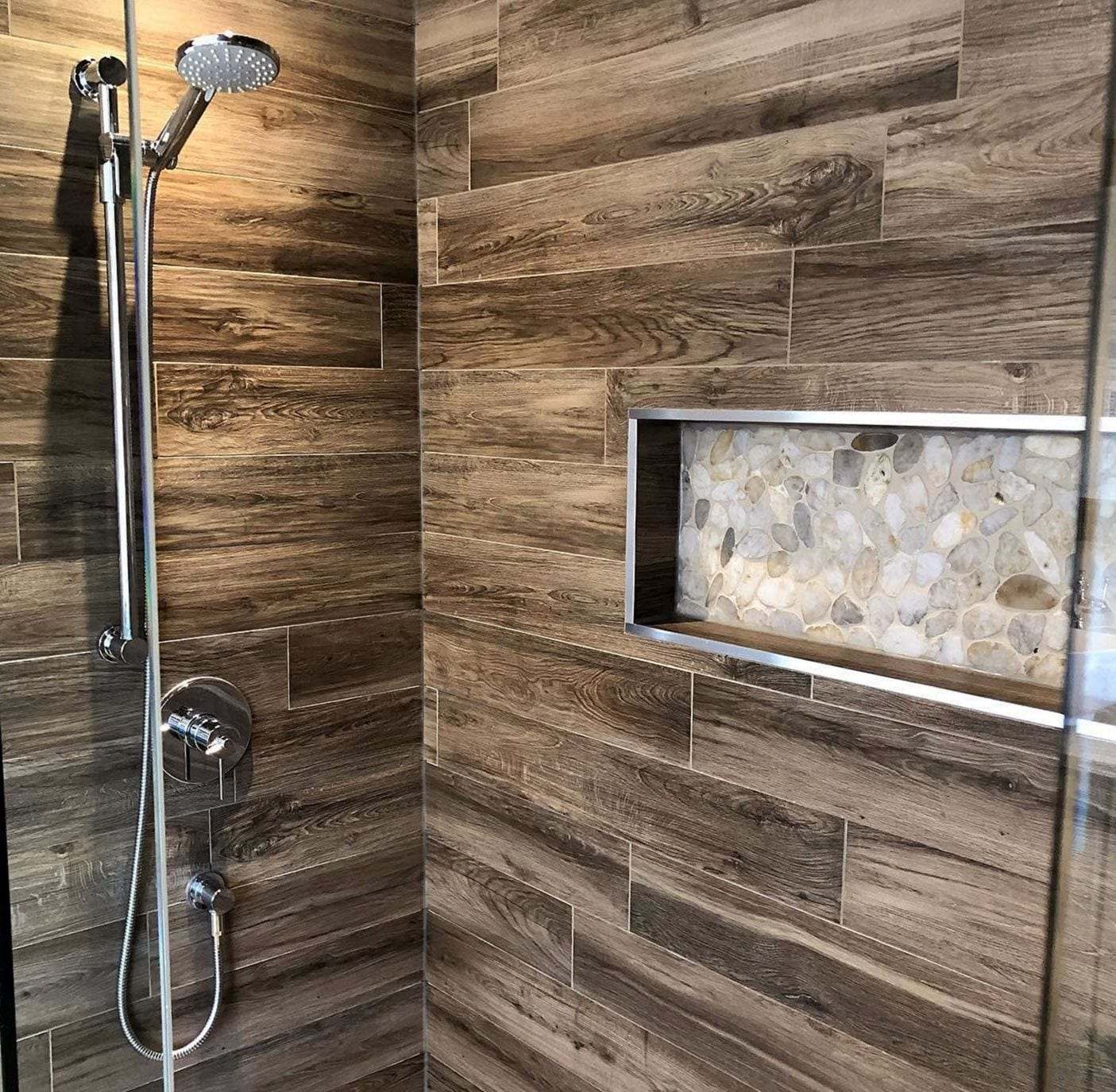
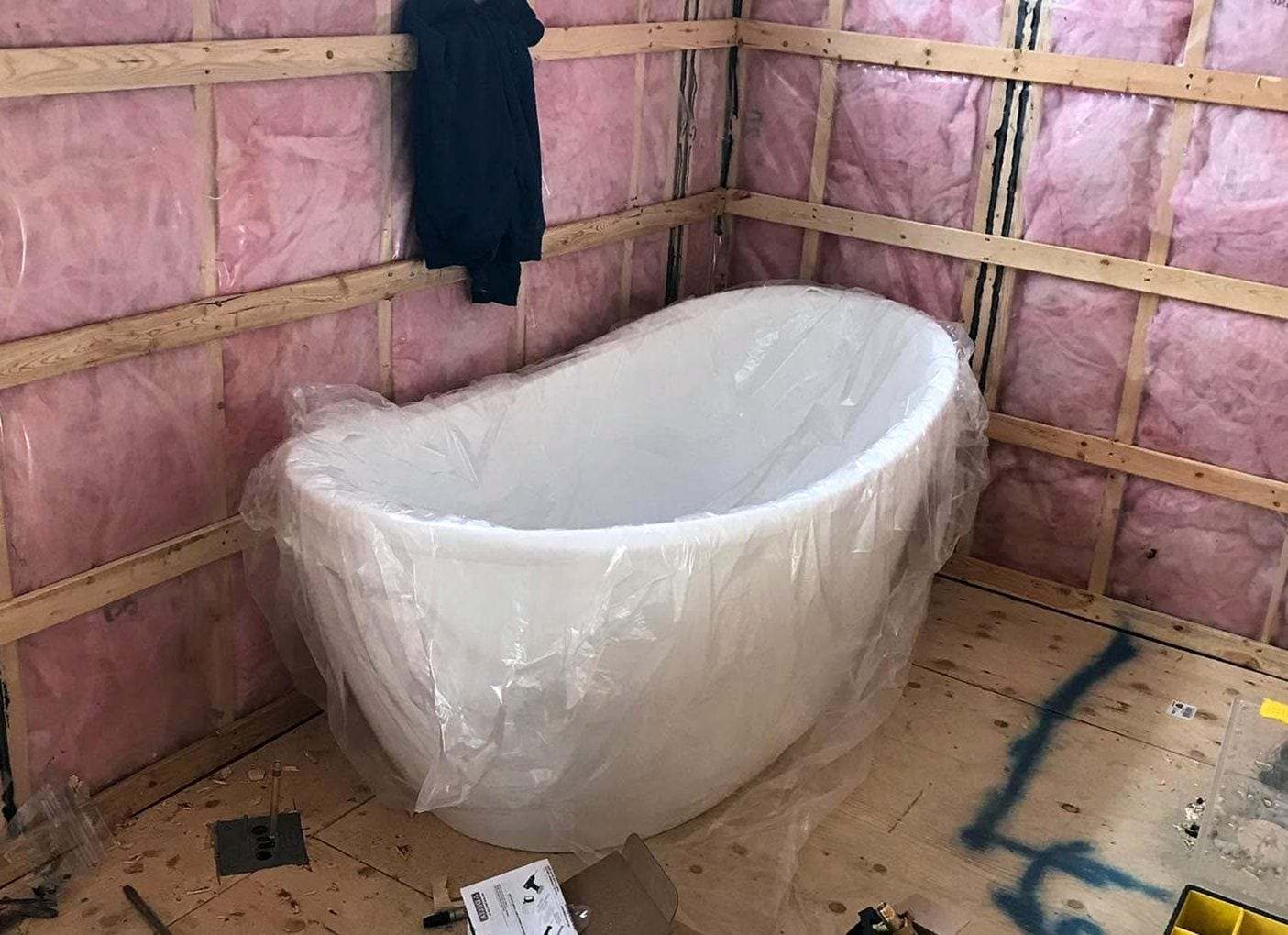
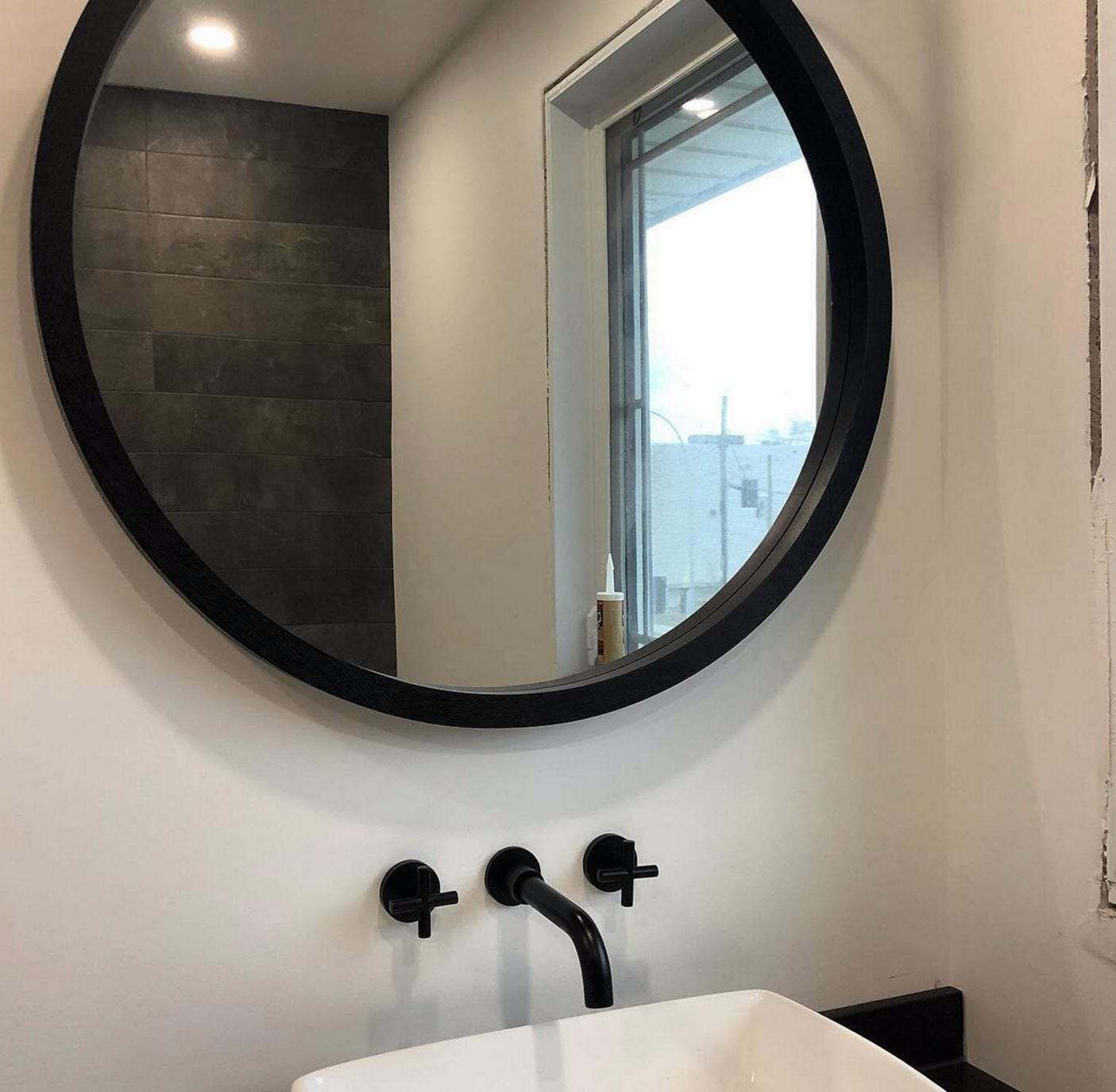
Bathroom plumbing in a house runs from a dripping shower valve to new fixtures: a walk-in shower’s valve and slide-bar trim, a freestanding tub, a vessel sink under a wall-mount faucet. Each of those has supply connections and a drain under or behind it, and those joints are where a slow leak starts.
Older Pipes, Hard Water and When to Call a Plumber
Does the plumbing in an older house need replacing?
Not all at once, and not just because of its age. What matters is what it is made of and how it behaves. Galvanized steel supply pipe rusts from the inside and loses pressure over time; copper can develop pinhole leaks; old cast-iron drains scale up and crack. Shutoff valves that have not been turned in decades often will not close when you need them. A look at the valves and supply lines, and a camera inspection of the drains, shows which parts are wearing out and which have years left in them.
What does hard water do to the plumbing in a house?
The minerals settle out wherever water heats up or sits still. They collect as sediment in the bottom of a tank water heater, cake on faucet aerators and cartridges, stiffen toilet fill valves and narrow old supply pipe. Flushing the water heater clears the sediment, and a water softener cuts down on new buildup at the fixtures and in the heater.
When should I call a plumber instead of fixing it myself?
Plunging a toilet, cleaning an aerator or swapping a flapper are fair game for most homeowners. Call when water is leaking and you cannot see where from, when more than one drain backs up at once, when a fix means opening a wall or the floor, or when a shutoff valve will not close. A burst pipe or major leak needs the main shutoff closed first, then a call.
Who handles the plumbing in a condo or townhome, the owner or the HOA?
It depends on the association’s rules, so check them before something leaks. Fixtures, water heaters and the lines inside a unit usually belong to the owner; shared supply mains and the building sewer usually belong to the association. When a leak crosses that line, such as water coming through a ceiling from the unit above, tell the HOA or the manager early.
How often should a tank water heater be flushed?
Once a year is a common rule of thumb. Sediment that sits for years hardens into a layer that no longer flushes out, and a drain valve that has never been opened can start to drip once it is. Starting early, while the tank is young, keeps the job simple.
Water Heaters, Drains, Fixtures and Seasonal Care
- Water Heaters Tank and tankless heaters repaired, flushed or replaced. No hot water, rumbling tanks, leaks at the base
- Drains Slow sinks, backed-up toilets and main line stoppages. Clog clearing, camera inspection of sewer lines
- Fixtures Faucets, toilets, sinks and disposals repaired or put in new. Running toilets, dripping spouts, water softeners
- Seasonal Care Small checks through the year that head off bigger repairs. Heater flushes, shutoff valves, hose bibs