Faucet, Toilet and Fixture Repair in Mesa
Fixtures are the parts of the plumbing people handle every day, and they wear like it. Sirrine Plumbing repairs and installs faucets, toilets, sinks, shower and tub valves, garbage disposals, hose bibs and shutoff valves in Mesa homes and small commercial buildings. Most of the work is ordinary repair: a leaking faucet, a running toilet, a disposal that jams on a peach pit. Some of it is a new fixture set where an old one finally gave out.
Fixtures Repaired and Installed
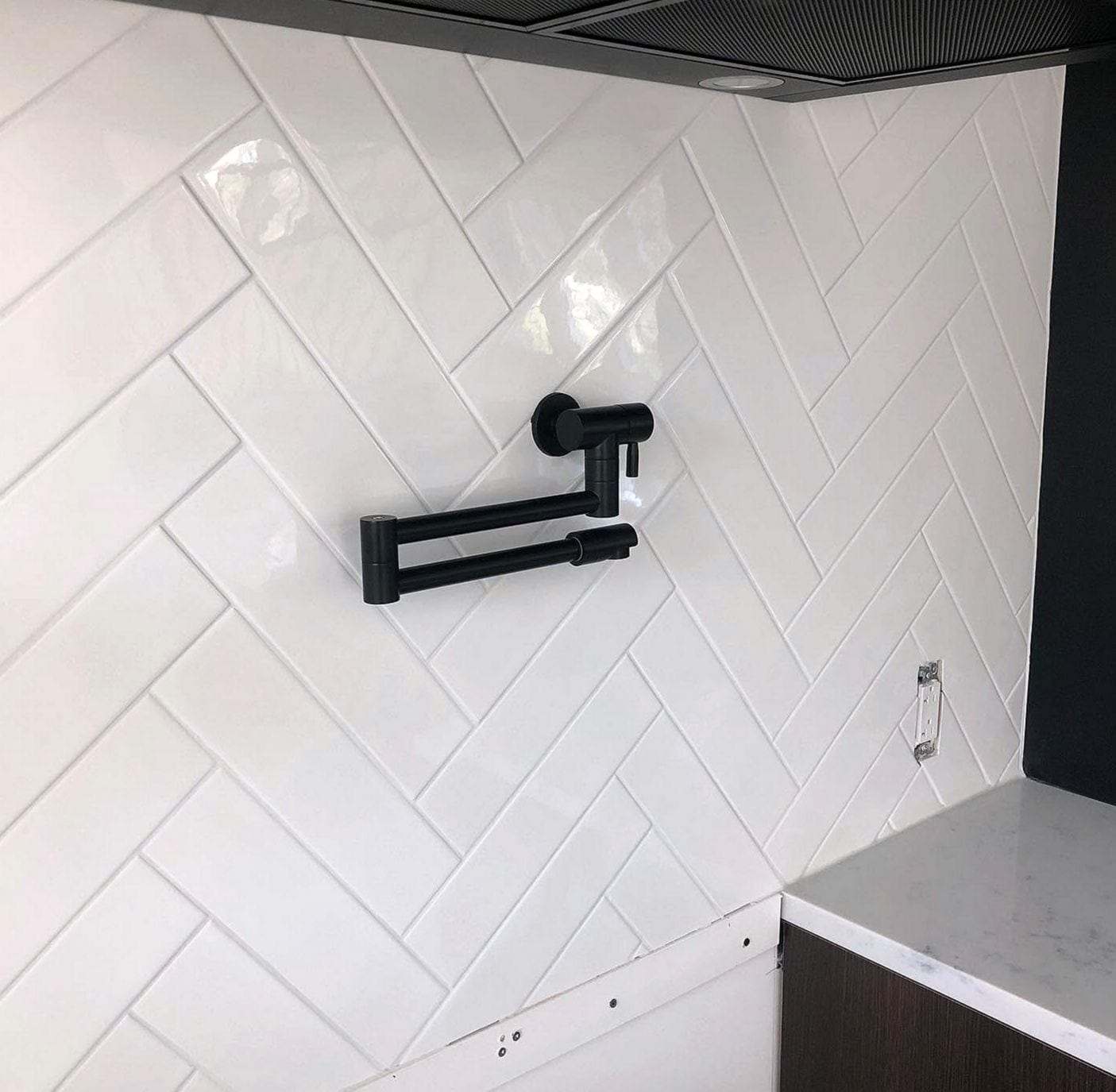
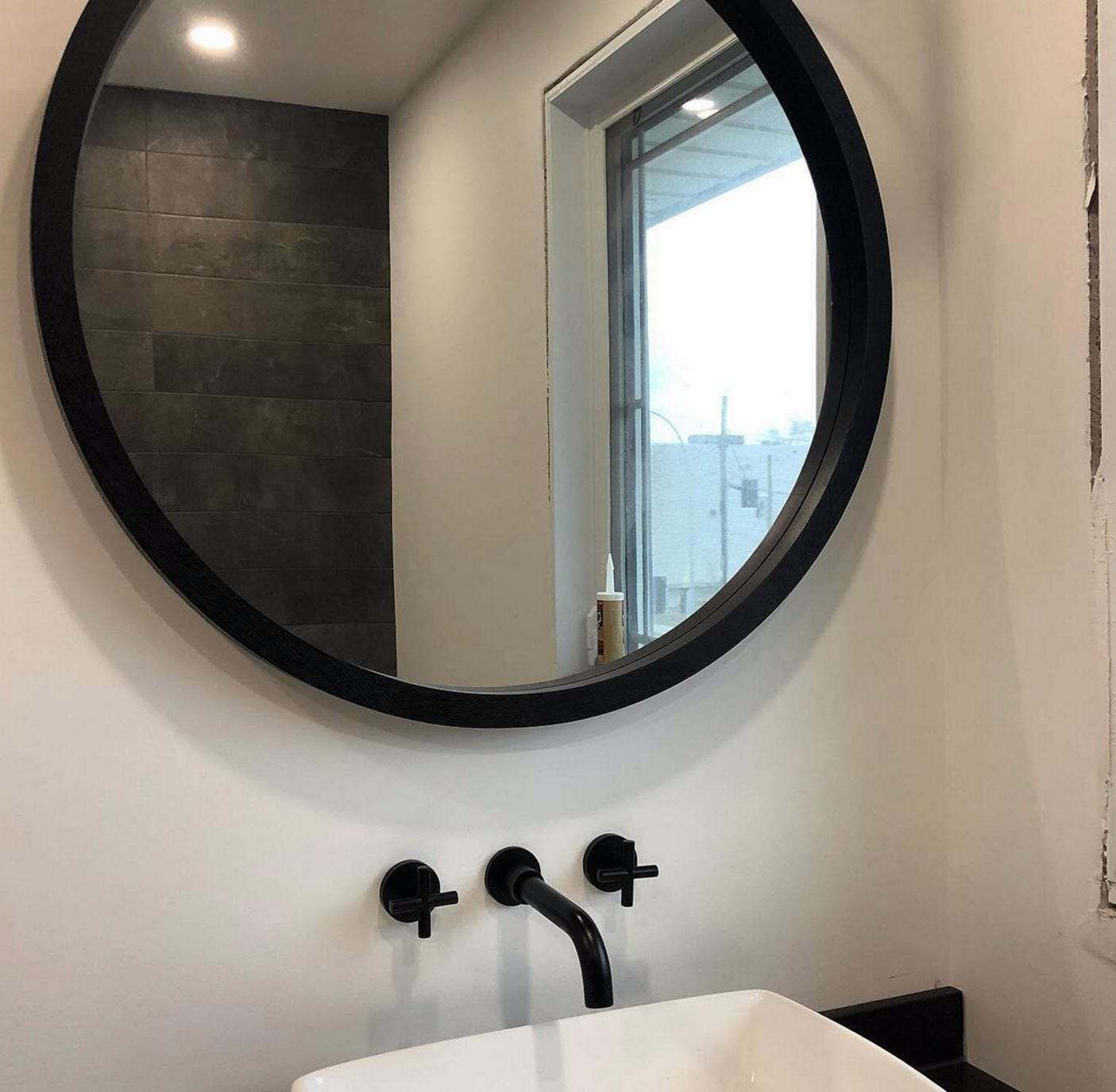
- Faucets: kitchen and bathroom faucets, pot fillers and wall-mount faucets, with new cartridges, washers and O-rings or a whole new faucet.
- Toilets: flappers, fill valves and wax rings, toilets that rock or leak at the base, and new toilets set.
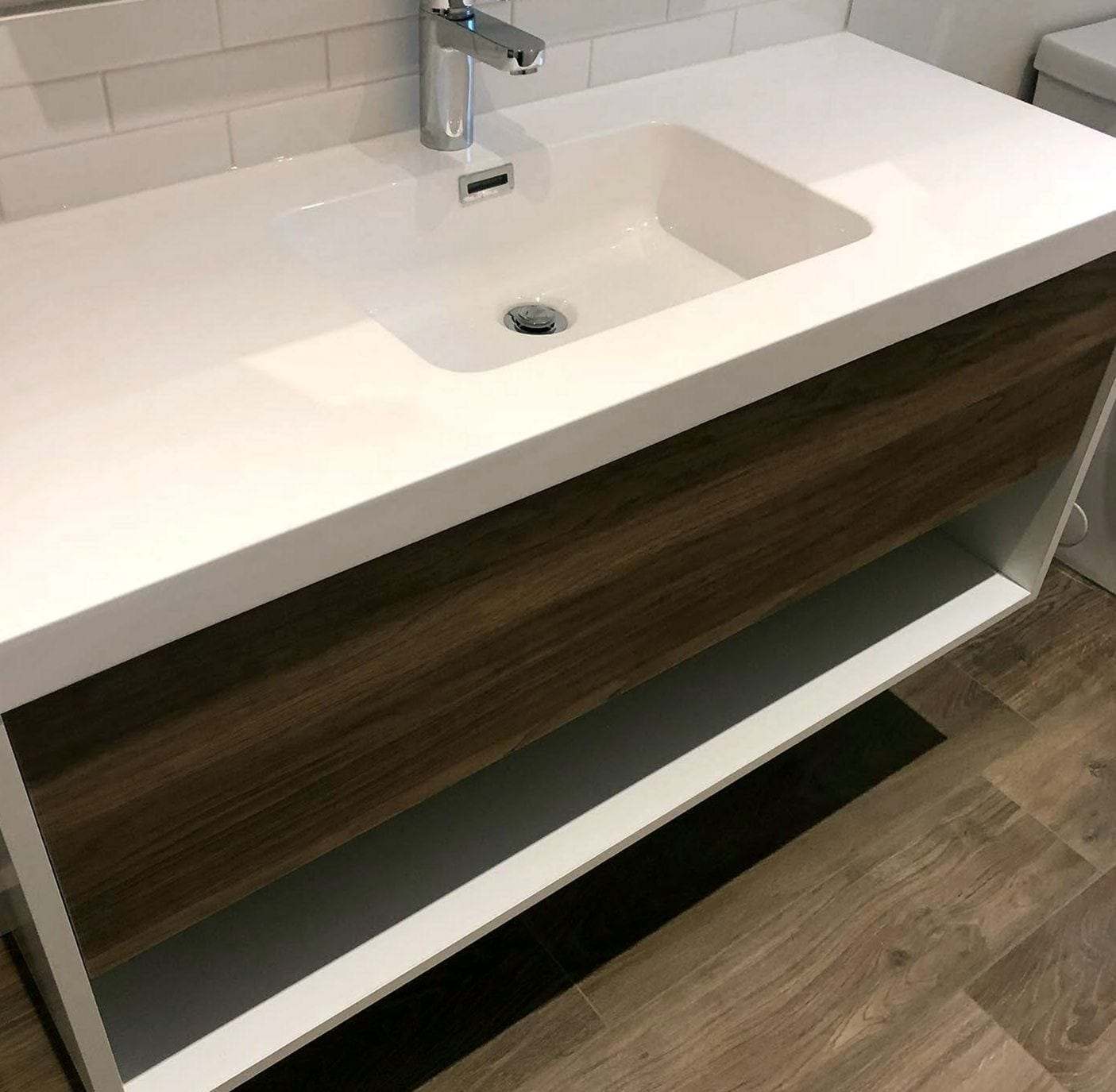
- Sinks: undermount, vessel and integrated vanity sinks, with their drains, traps and supply lines.
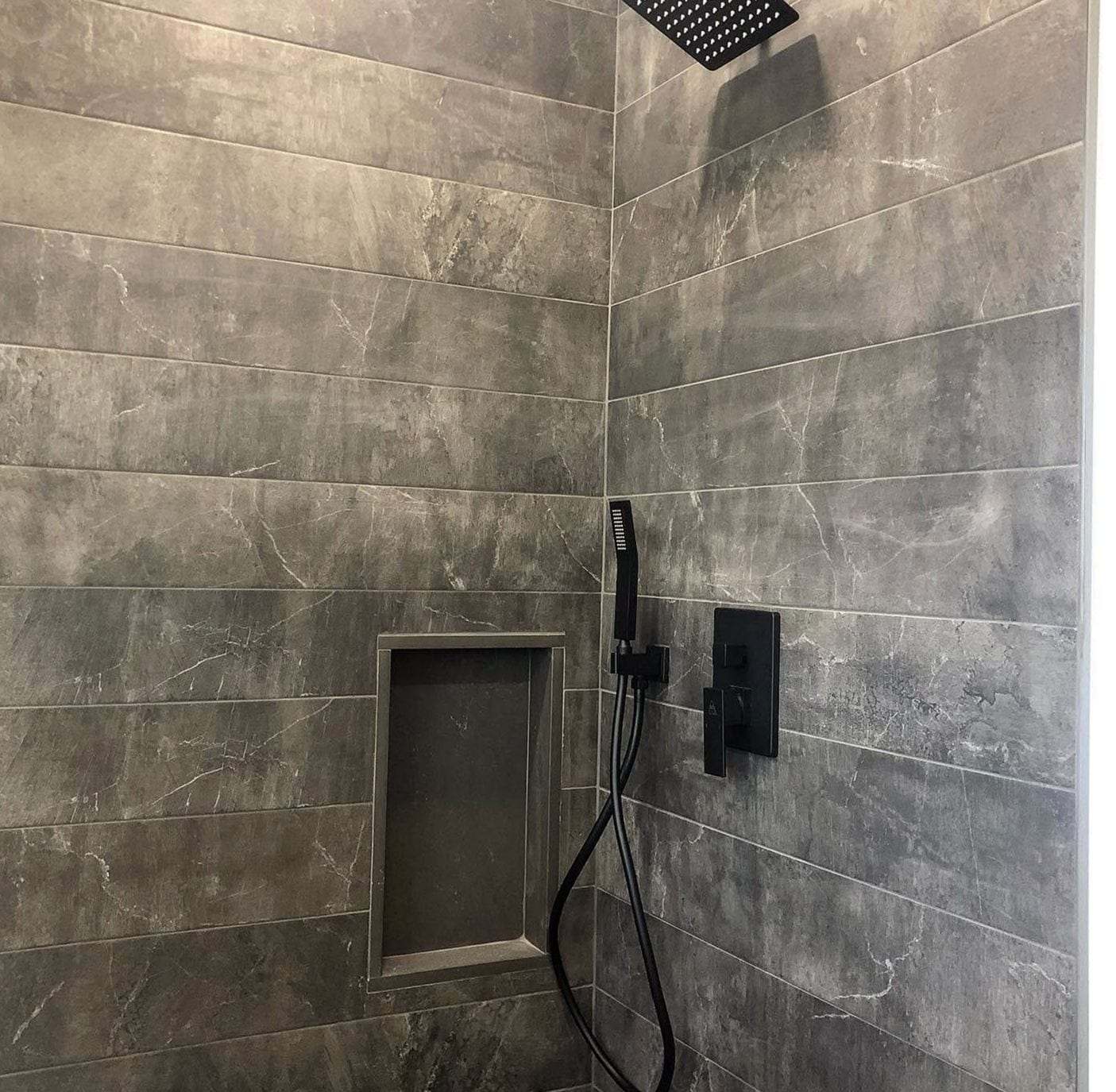
- Showers and tub valves: dripping spouts and showerheads, valve cartridges, and new trim.
- Garbage disposals: jammed or leaking units repaired, and new disposals installed.
- Hose bibs: outdoor faucets that drip, leak inside the wall or will not shut off.
- Shutoff valves: the angle stops under sinks and toilets, and the main shutoff, replaced when they seize or weep.
For homes where hard water crusts up every faucet and showerhead, water softeners are installed as well. A softener slows the mineral buildup that wears out cartridges, valve seats and toilet parts years ahead of their time.
A fixture job is not finished until the fixture has run and the connections underneath have stayed dry, because a slow seep at a compression nut can take days to show, and by then it has soaked the cabinet floor.
Fixture Guide
What usually goes wrong with each fixture, and the point where a repair stops making sense.
More columns to the right: swipe.
| Fixture | Common problems | Repair or replace considerations |
|---|---|---|
| Faucet | Drips from the spout, leaks at the handle or base, weak flow from a scaled aerator | A new cartridge fixes most drips while parts are still made; a corroded body or worn-through finish means a new faucet |
| Toilet | Runs between flushes, rocks on the floor, leaks at the base, weak flush | Flappers, fill valves and wax rings are routine repairs; a cracked tank or bowl means a new toilet |
| Sink | Leaks at the drain, the strainer or the supply lines; a chipped or cracked basin | Drain and trap leaks are repairs; a cracked basin is replaced, often with the faucet at the same time |
| Shower or tub valve | Spout drips with the handle off, temperature swings, a stiff handle | A cartridge or stem fixes most; an obsolete valve body or a leak inside the wall means opening the wall |
| Garbage disposal | Hums but will not turn, leaks from the bottom, keeps tripping its reset | A jam clears; a leak from the housing means the unit is done |
| Hose bib | Drips, leaks behind the wall when the hose runs, will not shut off | A washer or stem fixes the old style; a cracked body calls for a new bib |
| Shutoff valve | Will not close all the way, weeps at the stem, seized open | Replaced rather than repaired, usually with a quarter-turn valve |
Water-Efficient Fixtures and Running Toilets
What makes a toilet or faucet water-efficient?
Its flow or flush rating. Federal rules cap new toilets at 1.6 gallons per flush, and many efficient models use 1.28 or less. Bathroom faucets at 1.5 gallons per minute and showerheads at 2 gallons per minute or less save water without feeling weak. The WaterSense label marks fixtures that meet those lower numbers.
Do low-flow toilets clog more often?
The early ones from the 1990s earned that reputation. Current models move more waste with less water through wider trapways and better bowl design, and a well-chosen one clogs no more often than an old 3.5-gallon toilet. Look for a large flush valve and a fully glazed trapway.
Why does my toilet keep running?
Most often the flapper at the bottom of the tank has worn or warped and lets water seep into the bowl, so the fill valve keeps topping the tank up. The other usual causes are a chain caught under the flapper and a fill valve set so high that water spills into the overflow tube.
How can I tell whether the flapper is leaking?
Put a few drops of food coloring in the tank and wait about 15 minutes without flushing. Color in the bowl means the flapper is leaking. If the water in the tank sits above the top of the overflow tube instead, the fill valve needs adjusting or replacing.
Is a running toilet something I can fix myself?
A flapper or fill valve is a fair first repair for a handy homeowner: close the shutoff behind the toilet, flush to empty the tank, and swap the part. Stop if the shutoff will not close or starts to leak at the stem. An old valve can fail when it is turned after years in place, and then the water to the whole house has to be shut off.
Should I repair a dripping faucet or replace it?
Repair it when the faucet is sound and a cartridge or washer for it can still be found; that fixes most drips. Replace it when the body is corroded, the finish has worn through, parts are no longer made, or the faucet is old enough that a new one would also cut the water it uses.
Why Old Shutoff Valves Fail When You Need Them
Every sink and toilet has a small shutoff valve on its supply line, the angle stop, and most go untouched for years. Older multi-turn valves seal with a rubber washer and a packing nut. With hard water the stem scales up and the washer hardens, so when someone finally turns the handle in a hurry, the valve either will not close or starts leaking at the stem. Quarter-turn ball valves hold up better and close with one motion.
Checking shutoff valves and supply lines is part of the maintenance work. Braided supply lines get a look at the same time. A bulge, rust at the crimped ends, or a line older than the fixture it feeds is worth replacing before it lets go.
Have Ready Before You Ask About a Replacement
- The fixture type: kitchen or bath faucet, toilet, vessel or undermount sink, shower valve or disposal.
- The brand or model, if it shows: on the faucet base or a tag under the sink, stamped inside the toilet tank, or on the disposal’s label.
- Where its shutoff valve is: under the sink, behind the toilet, or nowhere you can find.
- How many fixtures are affected: one dripping faucet, or low flow at several, which points past the fixtures to the supply.
Send those details with your request, or read them off over the phone. They tell the plumber which parts to bring before anyone opens a cabinet.